Recovered Carbon Black: The Quiet Revolution in Rubber Manufacturing
The global rubber industry is undergoing a silent but seismic shift. With the Recovered Carbon Black (rCB) market projected to grow at a CAGR of over 25% through 2035, circularity is no longer an “optional” ESG target—it is a competitive necessity. As manufacturers face increasing pressure to decouple growth from fossil fuel dependency, rCB has emerged as the definitive solution for high-performance, low-carbon rubber compounding.
The Science of Circularity
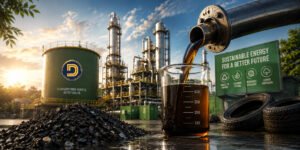
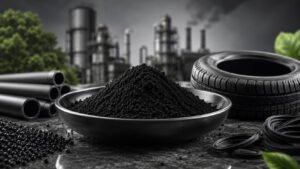
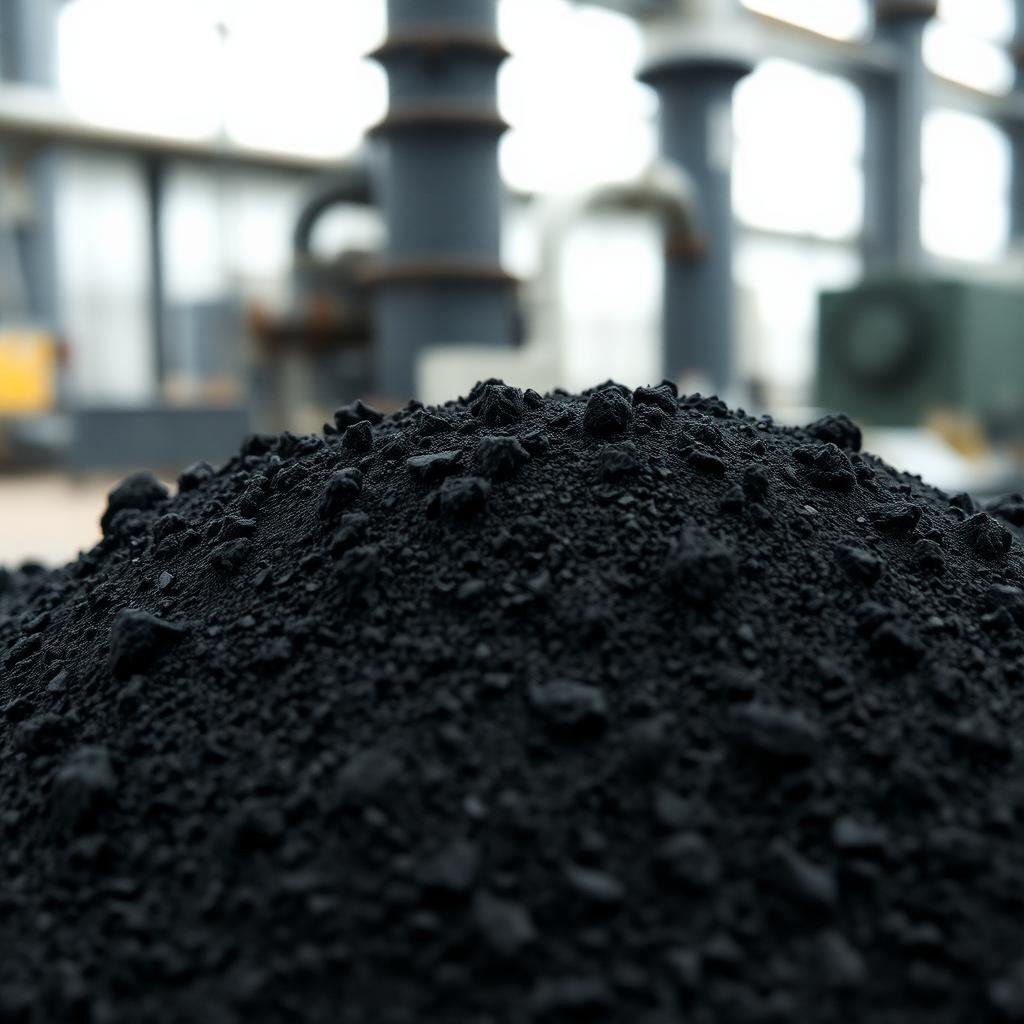
Recovered Carbon Black is produced through the pyrolysis of end-of-life tires (ELTs)—a process that thermally decomposes vulcanized rubber in an oxygen-free environment. Unlike traditional carbon black, which is derived from energy-intensive petroleum combustion, rCB turns a legacy waste stream into a high-value feedstock.
Why It’s Not Just "Waste Recycling"
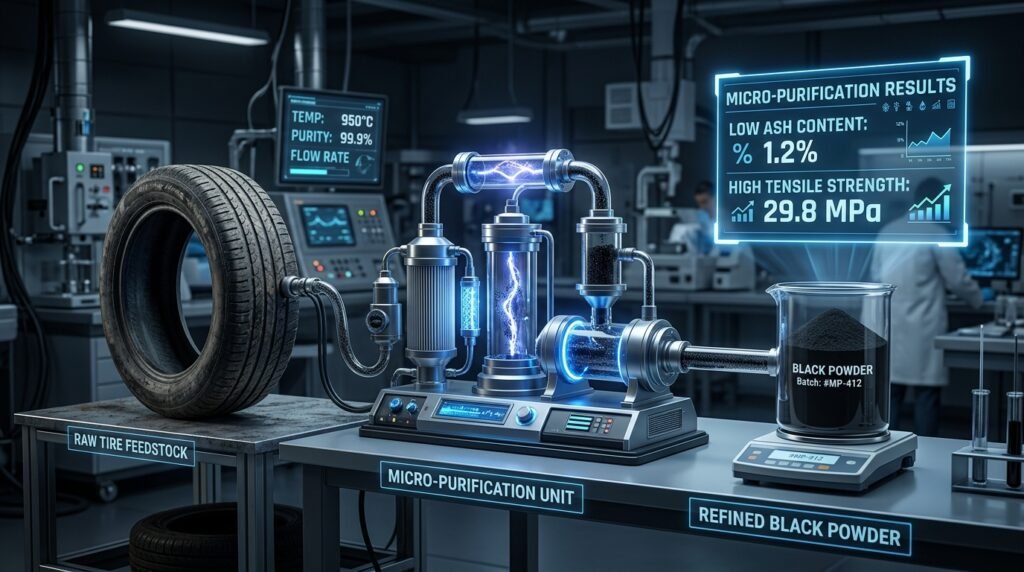
Modern pyrolysis is no longer just about volume; it is about precision. Advanced purification technologies—such as gasification, flotation, and micronization—have significantly reduced the ash and impurity levels that historically hampered rCB adoption. Today’s high-grade rCB is being successfully integrated into:
- Tire Reinforcement: Achieving 15–25% improvements in tensile strength via treated grades.
- Industrial Goods: Utilizing rCB in conveyor belts, seals, and gaskets where durability is non-negotiable.
- Advanced Applications: Expanding into conductive plastics and protective coatings due to improved electrical resistivity.
Market Dynamics: The 2026 Reality
As of 2026, the industry is transitioning into a dual-layer structure:
- Commodity Grade: Standard rCB for high-volume tire and general rubber goods.
- Specialty Grade: High-purity, surface-treated rCB for demanding automotive components and plastic applications.
For manufacturers, this means that “one-size-fits-all” is a thing of the past. Success now depends on strategic sourcing and technical compounding optimization.
Technical Challenges & How We Help
Transitioning to rCB requires more than just swapping raw materials. Compounders must navigate differences in vulcanization kinetics, surface chemistry, and filler loading.
Common hurdles include:
- Ash Heterogeneity: Requires advanced formulation adjustments.
- Dispersion Sensitivity: Needing optimized mixing protocols to achieve parity with N330 or N550 virgin grades.
Let’s Optimize Your Transition
Are you currently exploring a transition to sustainable fillers? Our team specializes in bridging the gap between circular material procurement and production-line performance.
- Need a formulation audit? We analyze your current compound to identify the ideal rCB inclusion rate.
- Sourcing strategy: We help you navigate the complex market of certified, high-purity rCB suppliers to ensure consistency.
Visit Our Office
FAQ Section
Q: What is the difference between virgin and recovered carbon black?
A: Virgin carbon black is produced by burning fossil fuels, whereas Recovered Carbon Black (rCB) is manufactured through the thermal pyrolysis of end-of-life tires. While rCB was historically lower in quality, modern purification and micronization technologies have enabled high-grade rCB to offer comparable tensile strength and reinforcement for rubber compounding.
Q: Why is the rubber industry shifting to Recovered Carbon Black in 2026?
A: The shift is primarily driven by corporate ESG commitments and regulatory mandates requiring higher recycled content. rCB provides a sustainable, circular alternative that reduces carbon footprints while offering cost stability by decoupling manufacturing from volatile petroleum-based raw materials.
Q: Can Recovered Carbon Black be used in high-performance tire manufacturing?
A: Yes. High-purity, furnace-grade rCB is now used in tire reinforcement. By adjusting compounding protocols—such as optimizing filler loading and surface treatment—manufacturers can achieve performance parity with traditional N500 and N600 series carbon black.
Q: How do I start integrating rCB into my existing rubber formulations?
A: We recommend a phased approach: start by replacing 5–10% of your virgin filler with high-grade rCB in non-critical components. Work with your supplier to obtain certified Particle Size Distribution (PSD) data and conduct bench-scale testing to ensure compatibility with your current mixing and vulcanization equipment.